A Tightening Grip on Asylum in the Netherlands
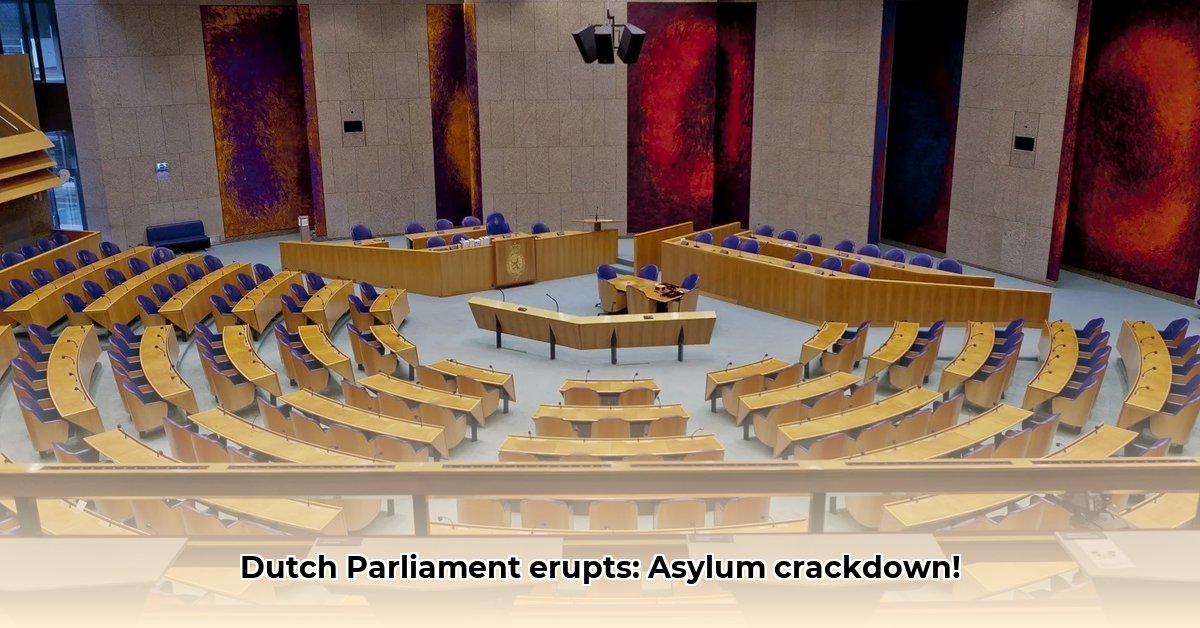
The Tweede Kamer, the lower house of the Dutch parliament, recently approved two controversial bills significantly tightening asylum regulations. This move, met with fierce opposition from various quarters, marks a considerable shift in Dutch asylum policy. The passage of these laws wasn’t without its drama, involving accusations of rushed processes and concerns about fundamental rights. But what exactly happened, and what does it all mean for the Netherlands?
The new laws introduce a two-tiered system, making the asylum process more complex and challenging for applicants. Family reunification is significantly more difficult, and a particularly contentious clause criminalizes assisting undocumented immigrants. This last point, quickly dubbed "helping others could land you in jail", sparked outrage among human rights and humanitarian groups. The Raad van State (Council of State), the Netherlands' highest advisory body on legislation, has temporarily suspended this specific clause, citing potential breaches of fundamental human rights. This suspension throws a significant spanner in the works and raises serious questions about the entire legislative process.
A Political Earthquake: Elections and Asylum
The timing of these changes is undeniably significant, falling just before a national election. This has transformed the asylum debate into a major political battleground, with various parties leveraging the issue to garner electoral support. While the government maintains the reforms are necessary to manage the asylum system, critics see them as a cynical political manoeuvre. Was this a genuine attempt at systemic reform, or a calculated strategy for votes? This question will undoubtedly continue to resonate in the coming months.
The impact of these laws is multifaceted and far-reaching. How will municipalities cope with the potential increase in asylum seekers within their areas? What will the long-term effects be on social cohesion? And how will all this play into the upcoming electoral landscape? These questions remain unanswered, painting a picture of significant uncertainty ahead.
Different Perspectives: A Nation Divided
The impact of these new laws is being felt across various sectors:
| Stakeholder | Immediate Effects | Long-Term Outlook |
|---|---|---|
| Government (VVD-led coalition) | Successfully passed the laws (barring one suspended section), facing public and legal backlash. | Adapting policies based on Raad van State rulings, managing application numbers and integration efforts. |
| Raad van State | Reviewing the legality of the suspended clause concerning assisting undocumented migrants. | Their decision will define future interpretations of asylum regulations and set a crucial precedent for other cases. |
| NGOs & Humanitarian Organisations | Providing legal aid, advocating for legal challenges, and raising public awareness. | Continuing advocacy for humane asylum policies, monitoring the law’s implementation, and assisting those affected. |
| Municipalities | Preparing for potential increases in asylum seekers and the associated resource demands. | Developing long-term strategies to integrate asylum seekers into their communities and provide adequate services. |
| Opposition Parties (e.g., CDA) | Criticizing the government's approach and utilising the issue for political gain. | Developing alternative policy proposals and potentially forming coalitions with different approaches to asylum policy. |
Key Pivotal Points:
- The controversial criminalization of assisting undocumented immigrants highlights a hardening of the government's stance on asylum.
- The Raad van State's temporary suspension of the aforementioned clause introduces legal uncertainty and potentially delays the implementation of the entire package.
- The political context of the upcoming elections significantly influences the debate, muddying the waters around the laws' intended purpose.
Actionable Steps Following the Passage of the Laws:
- Legal Challenges: Expect multiple legal challenges based on concerns about human rights and procedural irregularities (Efficacy: High probability considering the Raad van State's preliminary findings).
- Public Scrutiny: Continued public and media scrutiny is inevitable with such a divisive issue (Efficacy: Significant public debate already underway).
- Policy Adjustments: The government will likely need to amend or refine aspects of the laws based on the Raad van State's final decision and public pressure (Efficacy: Highly likely, given the current uncertainty).
The passage of these stricter asylum laws in the Netherlands has created a maelstrom of debate and uncertainty. The final impact remains to be seen, but one thing is clear: the Dutch asylum landscape has been irrevocably altered. The coming months will be crucial in determining the long-term consequences of these momentous changes. "Will these changes truly alleviate pressure on the system, or will they ultimately create more problems?" This question remains at the heart of the ongoing debate.